
Get Your Tax Right Before HMRC Asks the Questions
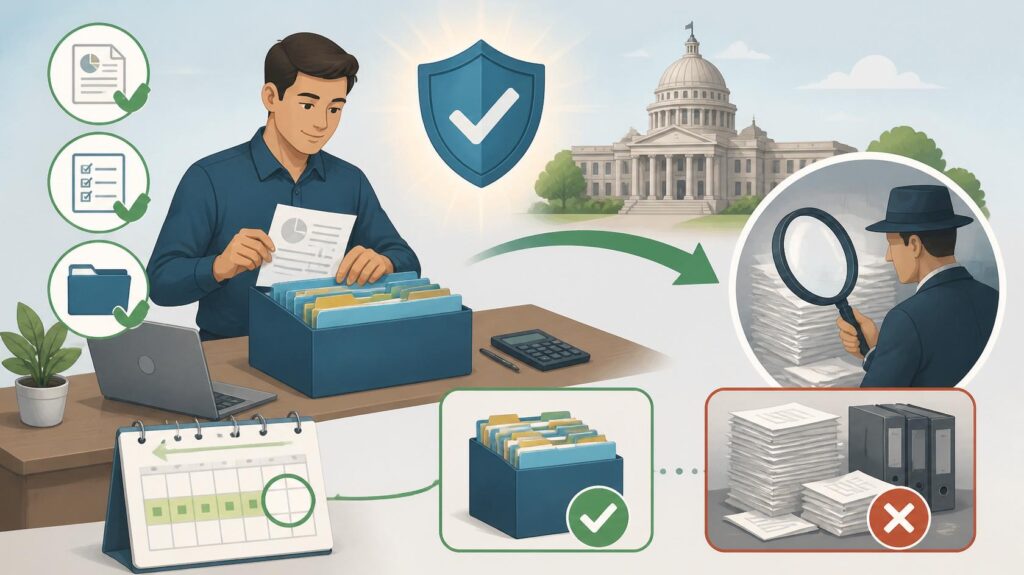
HMRC treats most crypto activity as taxable — not just when you cash out to GBP, but when you swap one token for another, earn staking rewards, or receive airdrops. A specialist crypto accountant reconstructs your full transaction history, calculates the correct Capital Gains Tax or Income Tax liability, and files it in line with HMRC’s Cryptoassets Manual — before a compliance letter forces the issue.
Here’s what catches most crypto investors out: they assume tax only applies when they convert crypto back to pounds. It doesn’t. Swap Bitcoin for Ethereum and HMRC sees a disposal. Earn rewards from staking and that’s income the moment you receive it. Get a surprise airdrop and, depending on the circumstances, that can be taxable too. By the time most people realise this, they’ve got two or three years of transactions across four different exchanges and a wallet full of DeFi activity nobody’s tracked properly.
Why Crypto Tax Trips People Up
Every swap is a disposal
Token-to-token trades are taxable events under HMRC rules, even without ever touching GBP. Active traders often generate far more taxable disposals than they’d expect — and far more than a generic accountant unfamiliar with crypto will catch.
Staking, lending, and DeFi are a grey area most accountants avoid
Staking rewards, liquidity pool returns, and lending interest each have their own tax treatment, and HMRC’s guidance in this area continues to evolve. This is exactly the kind of work that needs someone who follows the Cryptoassets Manual closely, not someone applying general investment rules by default.
Pooling and cost basis calculations
The UK uses share-pooling rules for calculating gains, plus same-day and 30-day rules to prevent bed-and-breakfasting. Get these wrong across hundreds of transactions and the gain calculation can be materially incorrect — usually to your disadvantage.
HMRC already has your data
UK exchanges share user data with HMRC, and nudge letters to crypto holders have become increasingly common. Getting ahead of your filing is significantly better than responding to a compliance enquiry.
How Spartan Handles Crypto Accounting
- Full transaction reconstruction across exchanges and wallets using specialist crypto tax software
- Correct Capital Gains Tax and Income Tax treatment applied line by line — swaps, staking, airdrops, mining, and DeFi included
- Self Assessment filing that reflects your actual activity, not a rough estimate
- Support if HMRC sends a nudge letter or opens an enquiry
- Forward planning — including use of the annual CGT allowance and loss harvesting where appropriate
Frequently Asked Questions
Do I have to pay tax if I just swap one crypto for another?
Yes. HMRC treats a token-to-token swap as a disposal of the first asset, which is a taxable event even though no GBP changes hands.
Is staking income taxed differently to trading gains?
Generally, staking rewards are treated as income at the point you receive them, and may also trigger a separate Capital Gains Tax event when you later dispose of them. The precise treatment depends on the specifics of the staking arrangement.
What happens if I haven’t reported crypto gains from previous years?
It’s generally better to make a voluntary disclosure than wait for HMRC to raise it, as penalties are typically lower when you come forward first. We can help assess your position and manage the disclosure process.
Need Tailored Advice?
Email: info@spartanaccounting.co.uk
Call: 0203 727 3277
Book a Non-Obligatory Discovery Call: Go here